
The Last Train.
A spec brand film for LinkedIn exploring the quiet courage in professional transitions, and the relationships that hold through them.
Client:
LinkedIn (Spec)
Services:
Brand Film / Commercial
The Work
Strategy & Thinking
Context
Career transitions are one of the most emotionally loaded experiences in a professional's life. The decision to leave a familiar role, city, or chapter rarely announces itself cleanly. It builds slowly, quietly, and the people most affected are often the ones left behind.
Objective
Capture the emotional weight of professional growth without reducing it to ambition or achievement. The goal was to show what forward movement actually costs, and what it quietly affirms.
Audience
Professionals in transition: people considering a new role, a new city, or a new version of themselves, and the relationships they're navigating while doing it.
Key Insight
LinkedIn is not just a platform for career moves. It is a record of becoming. The people who shape that becoming rarely show up on the profile.
Execution Approach
The film uses two characters, a departure setting, and restrained dialogue to hold the tension between staying and going. Every line is underwritten by design. The emotion lives in the silences, the eyes, and the space between words.
Creative Direction
Concept
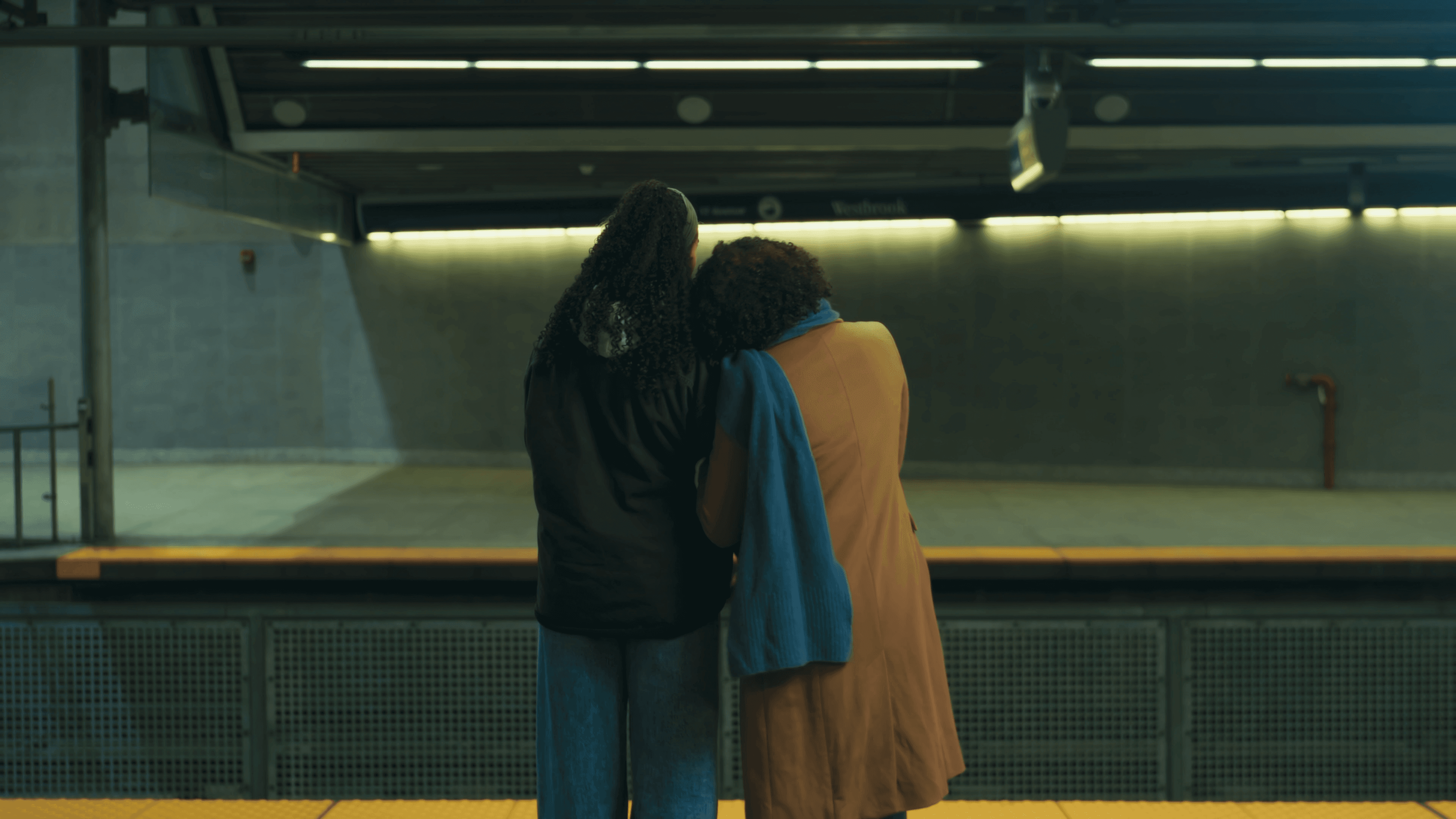
"Sometimes leaving is how we become." The film treats professional transition as a human story, not a highlight reel. Growth here looks like a hug on a platform, not a title change.
Visual Language
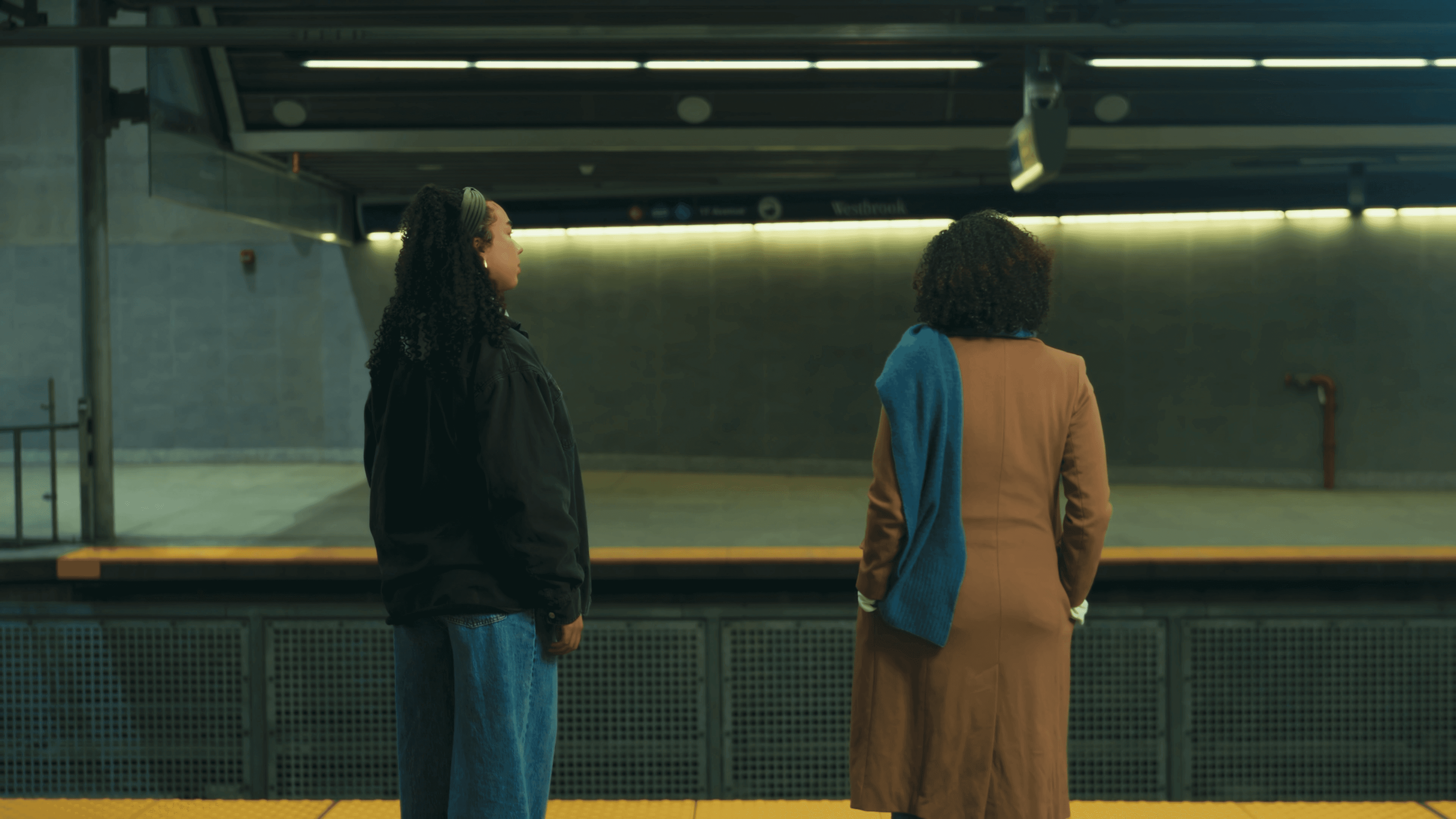
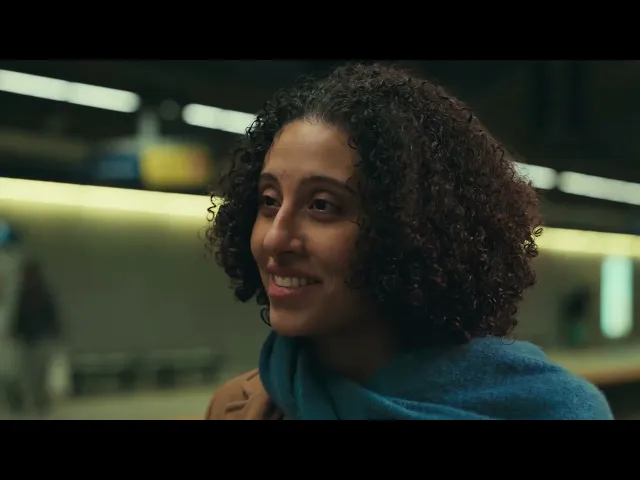
Train station setting as a threshold: familiar, public, loaded with departure
Observational framing, shot to feel overheard rather than staged
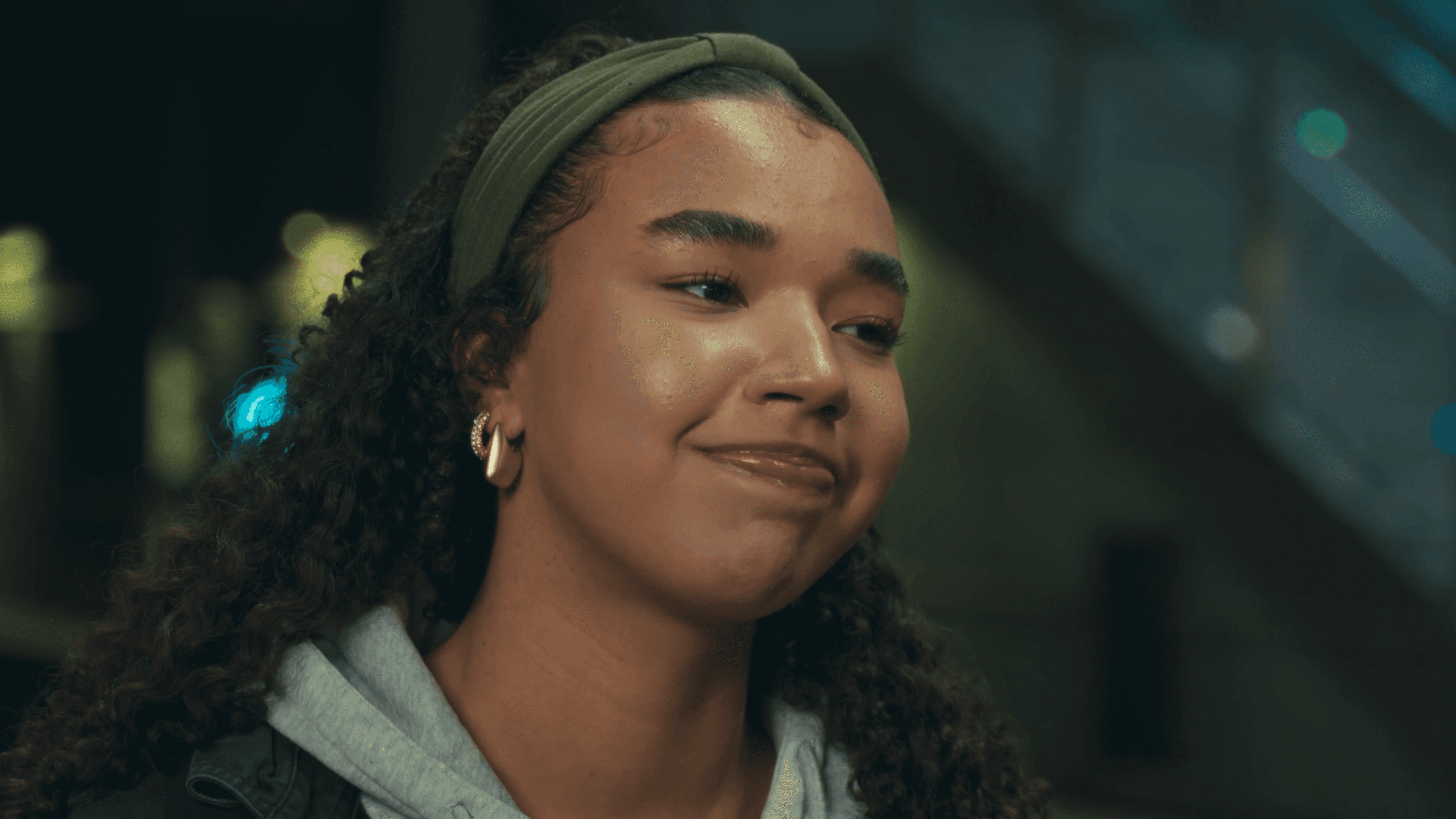
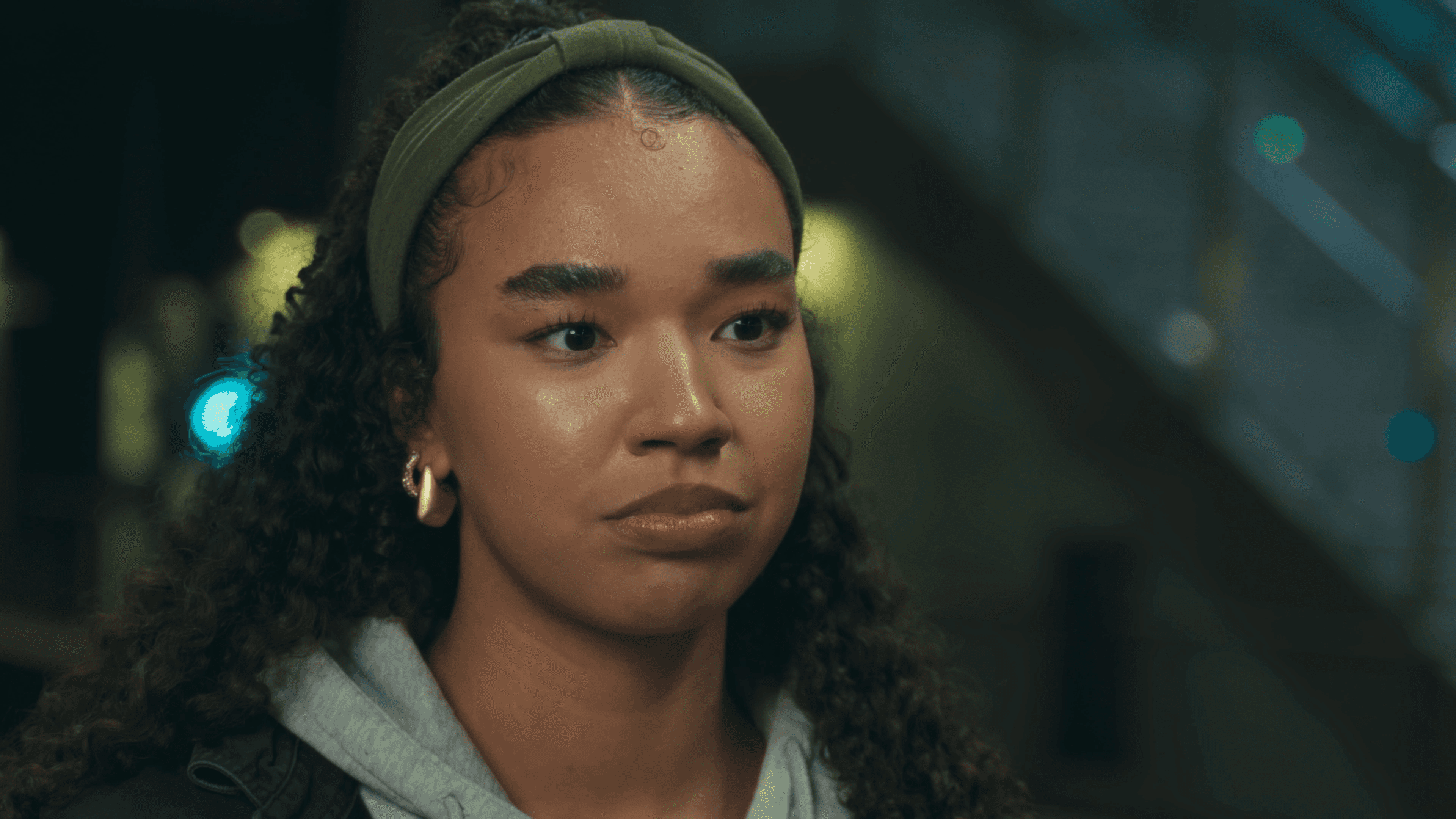
Restrained performance direction, less in the voice, more in the eyes
The hug as the emotional peak, held long enough to mean something
Reflection
This project is a deliberate expansion of what brand film can do for a platform like LinkedIn. Rather than celebrating success, it sits with the cost of becoming. The restraint in the script, the performances, and the pacing is the creative choice: trust the audience to feel what is not said.
Gallery